Archive
Stoic Spiritual Exercises – Cultivating Bravery
I’m deep into week 3 of the stoic spiritual exercises and tomorrow I will launch the final week and wrestle with Temperance. I have been busy and am only now getting to post about Bravery.
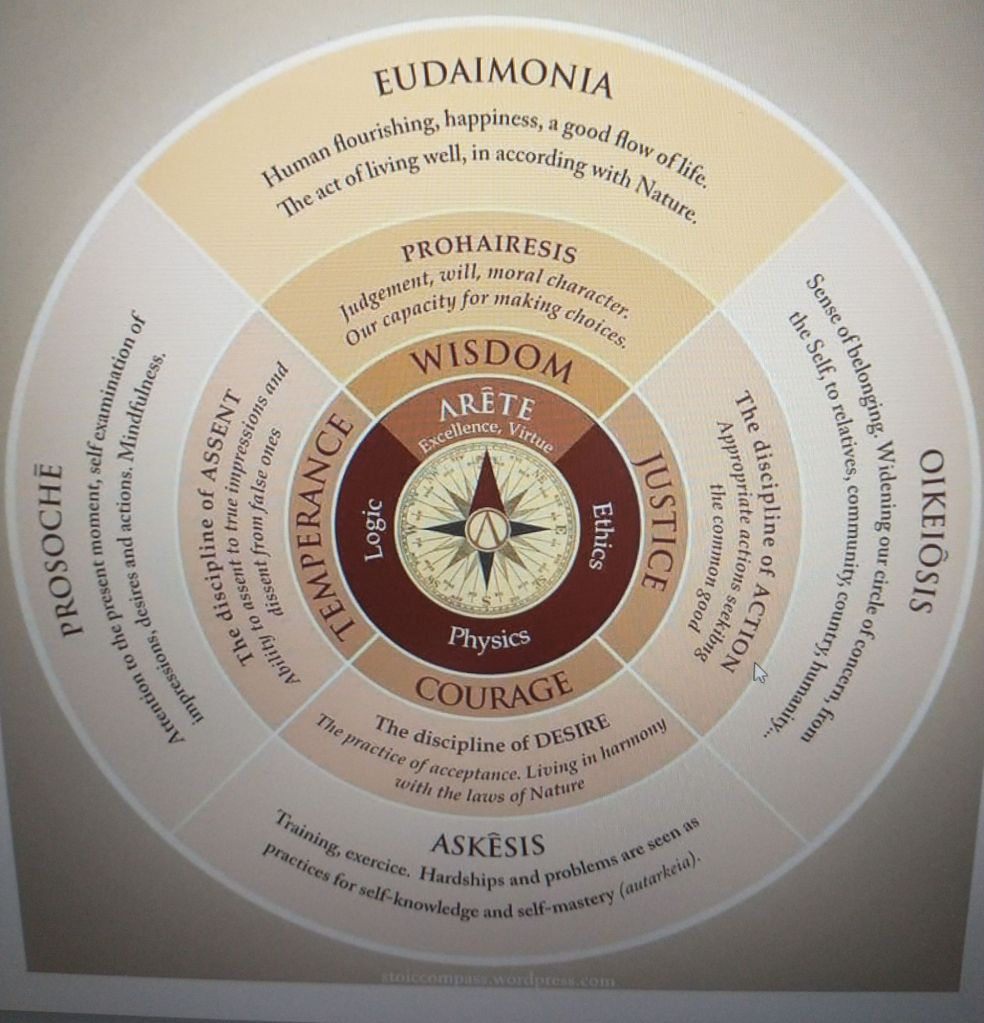
In the Stoic tradition Bravery has to do with the Discipline of Desire. What we desire is one of the four things that are under our control along with our opinion, moving toward a thing, and aversion. Bravery is rooted in recognizing that virtue is the only good and if we desire our life to be in accordance with nature we care little for external events.
What concern we do have for events is rooted in Amor Fati or Love of Fate. Whatever befalls us is necessary and an opportunity to exercise virtue. I’d something unpleasant or difficult occurs it’s a. Opportunity to practice forbearance. In frightening times of folks being gunned down in the streets it is an opportunity to practice bravery.
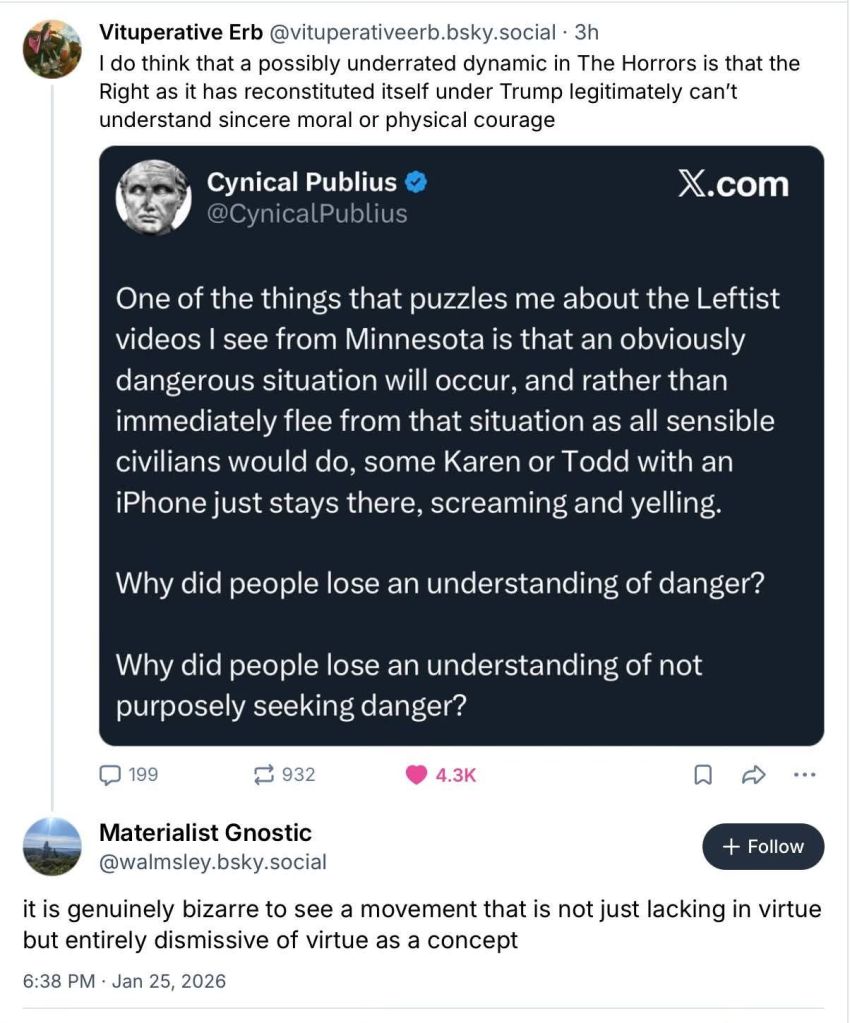
Alex Peretti gave a master class on bravery. He showed up and documented and tried to help. He was inviolate in his virtue. Though an ICE officer took his life they could not touch his spirit of resistance which is a bright flame that guides us all now.
The spiritual exercises this week have focused on physical health especially weight training. Becoming stronger physically can also inform our sense of self and allow for greater confidence and courage to take on tasks. I have maintained my work out routine and added a walk on a cold day and being mindful on my snow removal.
I did make a Facebook reel on the virtue. https://www.facebook.com/share/v/1FYabN3eno/
I’ve also been doing a morning and evening meditation to set my intention for the day and then reflect on how it all came out. You can find them on my page. Twice a day posting and they e added up quick. The links only work for 30 days so sorry future readers. https://www.facebook.com/share/1RoH3YL6rn/
You can read the chart what the virtue means. I’ve been slow walking myself through the chapter on Discipline of Desire in The Inner Citadel by Hadot. It focuses on aiming our desires exclusively to moral good. Amor Fati means we love our fate as a rule because it’s necessary and an opportunity to practice virtue.
I’ve embraced the cold and living in a time where my government executes community observers in the streets. It’s made for an intense week which is why I’m only getting to posting the weekly virtue at the end of the week. Tomorrow I’ll introduce Temperance on Facebook Live at noon. Hope to post here Wednesday evening.
Be brave. Keep the faith. Solidarity, Community, Empathy.
Holiday Letter 2025
Here it is early 2026 already and I’m just getting to my holiday Letter. 2025 was long, significant, and hard. For all the things that were good and I’m proud of, it was a difficult year I was happy to put to bed.
The year began with the bustle of moving into our new home. Shae and I bought a 1910 turnkey house in Leavenworth, Kansas at the end of last year and because she is a wonder it was quickly unpacked and decorated. Our things merged nicely and we only had to purchase a handful of items to have a beautiful tricked out house.
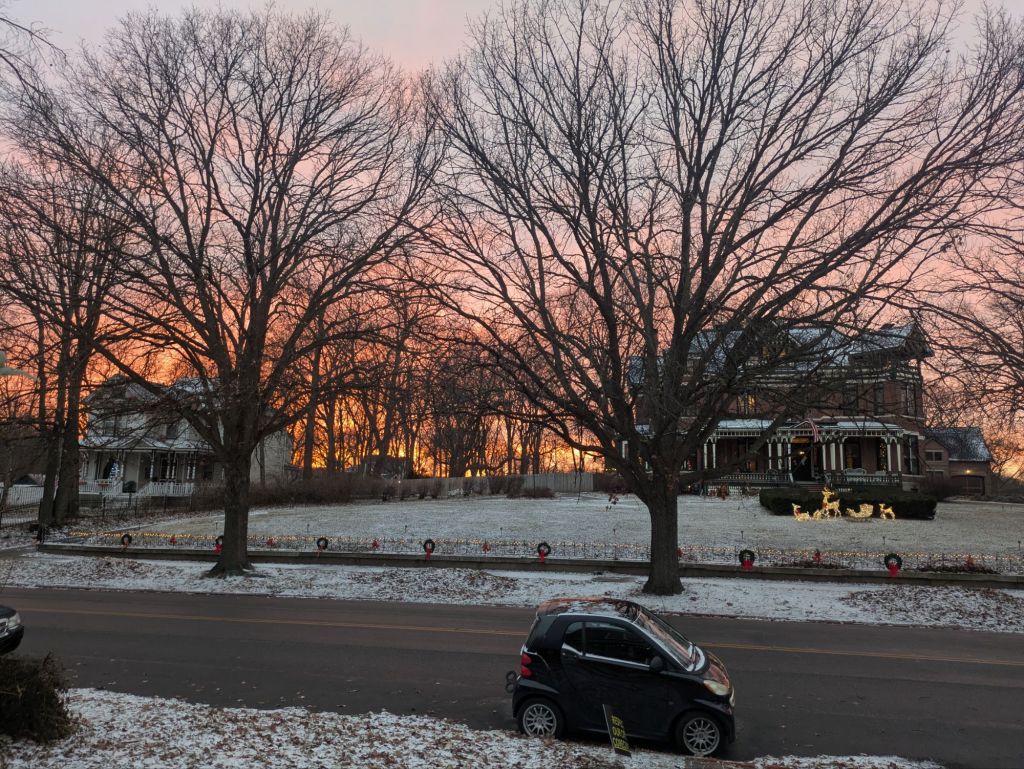
Shae, being a photographer has a great eye for light, composition, and color and I live in a house way cuter and put together than I have any right to. I have made good use of the kitchen to put out mostly healthy, scratch cooking, increasingly on a budget as the year progressed.
We have a formal dining room and got a nice dining room table to match my grandma’s china cabinet. We put it to good use with game nights and monthly gatherings of friends and associates. Shae has the Illuminati card game one of my particular favorites and we had several great games. Shae and I played a lot of chess and then Carcassone this year.
I continued my election organizing with the https://newamerican.community We posted over 100 learn articles based on needs identified in a comprehensive survey. We made contact with lots of County party organizations and provided fundraising and technical support to 20 different organizations. The County Party Orgs have a lot of potential but need a lot of consistent mentoring and follow up to make qualitative capacity improvements.
We also fought troubled private prison provider CoreCivic, who sought to reopen their troubled facility as an ICE detention facility. They applied for a permit in February and I wrote a blistering op ed to the LV Times calling for the permit to be rejected. A couple days later they withdrew from the permitting process and announced they were going to reopen.
I continued to write op eds and helped form a local opposition group and worked with regional allies to encourage the city of Leavenworth to defend their land rights. Leavenworth sued and won a temporary injunction. CoreCivic sued and lost. Appeals are pending with a hearing in February and CoreCivic applied for that permit with hearings scheduled in the spring.
Being part of a movement that is the only local community to stop an ICE detention facility has been satisfying. Here’s a link to one of my op eds if you want to learn more: https://www.kansascity.com/opinion/readers-opinion/guest-commentary/article303489741.html
Through all the organizing and activism I brought the Practical Guide to Building a Better World through the publishing process. I had a book release in Leavenworth and follow up events Columbia, Toledo, Farmington Michigan, and Bowling Green Ohio. You can get books directly from the publisher: https://breadandrosespress.com/products/the-practical-guide-to-building-a-better-world
I’ve had lots of media attention, more for the CoreCivic organizing then the book, unfortunately. The highlight was the NY Times coverage of The Pots and Pans March but my profile didn’t make the piece. I did get a nice profile in Voyage Minnesota.
https://voyageminnesota.com/interview/meet-mike-trapp-of-leavenworth-kansas/
The best book sales event I did was a training on working with homeless folks with the Missouri United Methodist Church homeless ministry team. It was a well attended powerful event and I got paid and sold a bunch of books. I have scheduled the training with the Daniel Boone Regional Library in Columbia for Saturday April 2nd. I hope to schedule more of those next year.
Last year we started Clear Creek Solutions LLC to manage the PAC. The consulting firm now pays the bills and the PAC is a volunteer effort. Our big contract is with Https: AnneforKansas.com Anne Peralker is an immigration attorney and moderate Kansas mom who is on fire to defend the constitution and the rule of law. She has a trust buster sensibility and when Kansas sends her as the first Democratic Senator since 1932 she will be the harbinger of the new FDR who will restore the federal system and address inequality and affordability.
In addition to the protest stuff I’ve been making the rounds doing some poetry and supporting the local arts. My gig work hasn’t paid as well this year and my savings are depleted so I’ve had to cut back. Shae has done well and is picking up the slack.
She took us and the boys to Chicago this summer and Seattle for Christmas. Aside from some trips to Columbia and a quick trip to OKC when Shae lost her brother and the book tour I’ve stuck close to home.
I stick with the gym and have had a year of physical training. I’m down to about 205, 15 pounds from my target weight and packed on muscle. I’ve corrected my posture and gait issues that were chewing up my knees. I’m almost bone on bone, but I hope to stay off knee replacements for another 3 years. I also resolved my fatty liver disease and have a clean bill of health.
I’ve read some great books. Four by my editor at Bread and Roses Adam Gnade, a book on military strategy I got a lot out of (I have to read Clausewitz), a book on Kansas petroglyphs, On Authoritarianism, Rules for Radicals (5th time or so) and other great books. My favorite was about Boss Tom Pendergast which was great in local history and practical politics.
Next year I am wrapping up at the gym and looking to improve my fitness with more activity and at the Leavenworth Community Center. I am going to do 4 weeks of Stoic spiritual exercises starting next Wednesday and inviting others to participate with me.
Look for at least a weekly post on developing virtuous habits and having a happy flow of life. I also plan to do more book promotion and continue to look for a career type job because of the insurance thing.
Thanks for sticking with me constant reader. I hope your next year is happy, healthy, and blessed.
Happy Interdependence Day
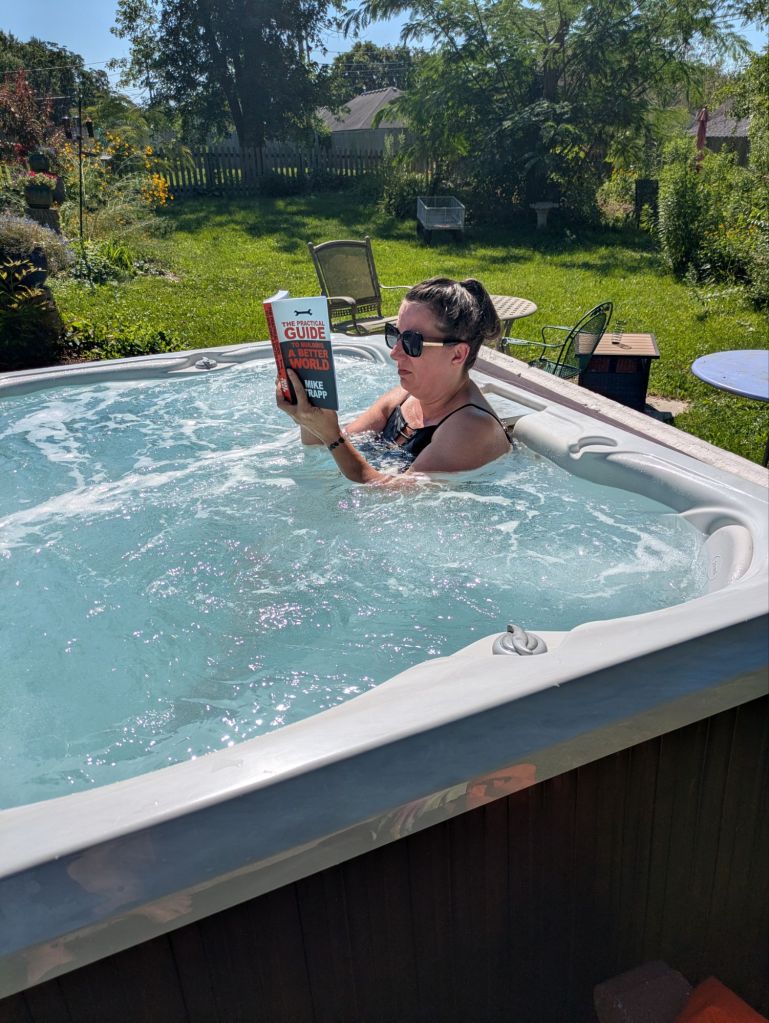
After a couple of hectic days at home we packed up and headed back to Columbia. We got a room at The Spa on Spruce, as the hot tub and backyard garden make it feel more like a vacation.
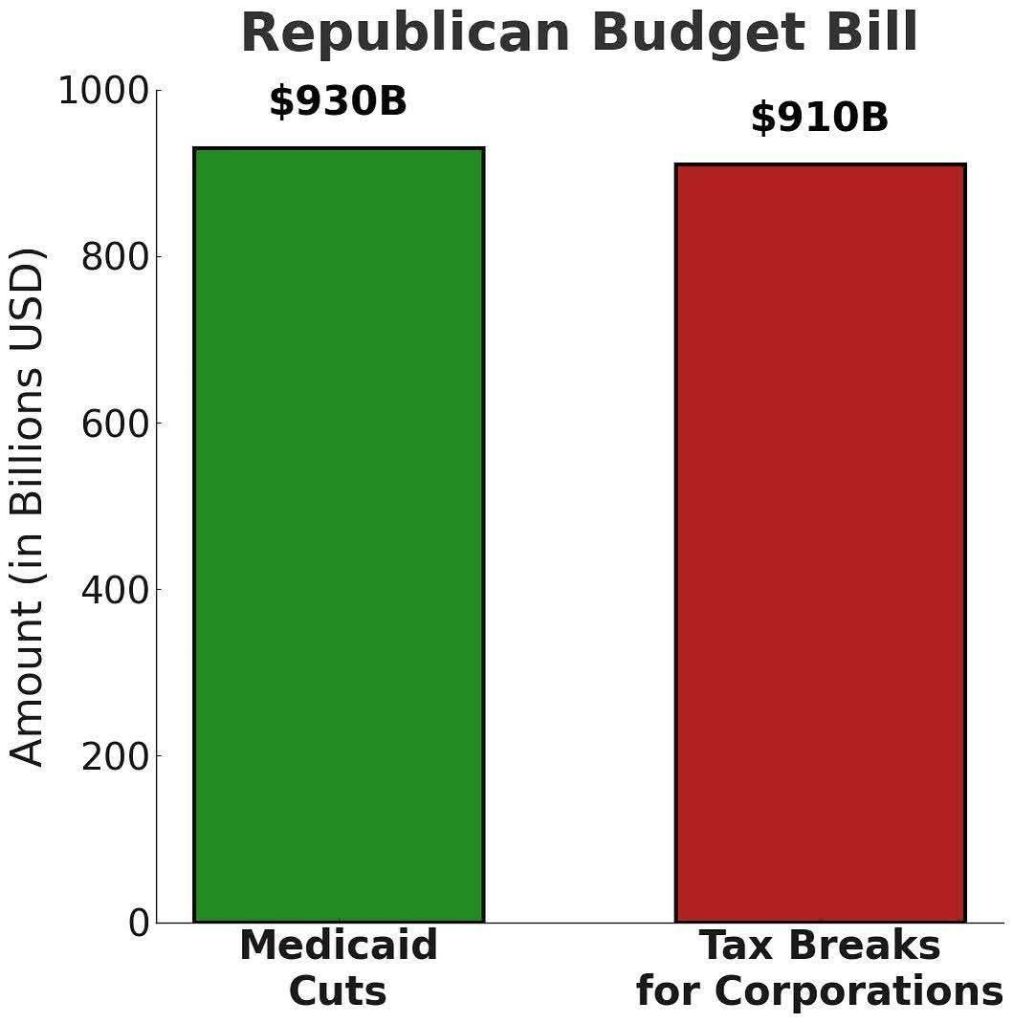
I did a podcast yesterday morning and had a campaign meeting with a Senate candidate yesterday. It’s exciting to open a second front on the war against authoritarianism with moving to fire a Kansas Senator who gutted Medicaid when he knows how devastating it will be to his constituents.
The podcast was heavy on CoreCivic, the troubled private prison we are working to keep from becoming an ICE detention facility back in Leavenworth. I’ll share the link when it comes out. Earlier in the week a story by the Marshall Project came out. The Guardian ran it so it was nice to get some national/international coverage. https://www.themarshallproject.org/2025/07/01/leavenworth-kansas-immigration-prison-fight
Today it was grocery shopping, hot tubbing, and off to the beach at Finger Lakes. Another family joined our picnic table while we were in the lake so we just made them part of our party. We’re going to catch fireworks tonight. We brought bikes to drive to the edge of traffic and park and ride in.
Tomorrow it’s a quarry lake party and a neighborhood festival. Sunday we make our way home. Things heat up at CoreCivic with the next hearing taking place at 10:00. Follow along for updates. Here’s a flyer on my book reading in CoMo. If you’re in the area you should come.
Think Nationally, Act Locally
I had the great pleasure of speaking to the Boone County Missouri Muleskinners on Friday for their weekly meeting. It was over Zoom and it went pretty well. They put the video on their Youtube channel. It begins with my friend Alyce Turner introducing me and reminding me of my biggest political defeat when I chaired The Committee for Rollcart Choice to try and keep Columbia, Missouri from banning automated trash collection. She references restoring recycling because Columbia’s Materials handling center was recently destroyed by a tornado. I’m posting the video link if you care to see the presentation. https://www.youtube.com/watch?v=CQf30-2Mies
If you prefer to read, here are my prepared remarks.
After writing a book on winning elections, governance, and advocacy I first need to make clear that my approach to politics is fundamentally different. Almost all political discourse in the US is around state and national issues based around a right/left dichotomy. Worse, the political discourse is heavily focused on horserace considerations more than substantive policy discussions. Rhetoric and sound bites play well on social media and cable news and politicians today exist who only have a political strategy and no strategy at all for governance.
As a longtime grassroots activist with a focus on building community with an anarchist’s heart and an ecologist’s focus on the bioregion I had a fundamentally different approach to politics. When I ran for city council my focus was not on pursuing any ideological victories or building a political platform for future political advancement.
When I was thinking about running, I asked the “why” question. I decided as a candidate I would run on my values but if I won, I committed myself to a governance agenda that recognized my fiduciary responsibility to the city as an organization, as a placeholder for long term capacity to ensure resident services. I also committed myself to the care and well-being of the 1,400 or so employees. I also decided that the concrete (sometimes literally) facts on the ground were more important than more ephemeral things like my political career and my constituent’s feelings about how the city developed.
My focus on good government challenged me to respect city policies and internal capacity and to focus on regular improvements and long-term planning. I long argued that as much attention we place on state and federal issues it is local government that matters most. Local governments operate utilities; electric, water, sewer, solid waste; deliver public safety with police, fire, and the courts; we guide and facilitate economic development, pass local laws, make land use decisions and more. From what it takes in taxes, fees, and other revenue compared to what it delivers, local government is the best value in politics. Politics even takes its name from polis, which means city.
All these points are well and good but what do they mean in an age of rising authoritarianism? They mean everything. An authoritarian agenda needs all levels of government to control the people and fulfill its awful purpose. One of the real strengths of our country is our system of decentralized power and local control. From voting to education to policing to land use, the patchwork of local systems that make up most of our governance systems serve as a check and balance from any group asserting a national governance agenda.
An approach that I call localism tells us to defer on national ideological agendas. Instead, we should look to our own local conditions to inform our path of building long term progressive change and protecting freedom and democracy. In Leavenworth, Kansas stopping CoreCivic from reopening their troubled detention facility as an ICE deportation center presents as the obvious issue to rally around.
CoreCivic through their chronic cost cutting and casual disregard for their employees, their detainees, and the law make themselves an obvious target. We highlight their long and spectacular malfeasance rather than the large national issues around immigration. We bring everyone to the table who wants to stop the facility from reopening with no litmus test.
As we work on this specific issue we strengthen our alliances, our individual and collective capacity, and the belief in the community that they can make a difference. Having a deep knowledge of local processes, relationships with the local power structure, and the unique political pressure points for local actors which can help guide messaging and approach has been critical in the success of the campaign.
More importantly we are manualizing our approach. We are telling the story to inspire action across the nation. We are also making connections with other activists in other communities who are fighting the same struggle. The national zeitgeist expresses itself within local communities and is best combated and ameliorated within communities based on their own conditions.
If you liked what you read and are interested in learning more about the practical realities of activism consider ordering my book. We should have books in this week, and they should ship the week after. https://breadandrosespress.com/products/the-practical-guide-to-building-a-better-world?fbclid=IwY2xjawKQPpNleHRuA2FlbQIxMABicmlkETFFRVdlMTdjQ0U5ZXFIeUhJAR4t9VcKwAmjbC0TRFkPMrp5PdLY9Boh372cUz-qdfq5rkuO7zFoWKmKtbDZLA_aem_O46YqlaAoNU-5hWACdnx4g
Community Outreach for Mass Mobilization
With all that is going on nationally being engaged in a national political organizing project is a real blessing. I don’t feel powerless and alone in front of the giant forces threatening democracy and the rule of law. Taking action and talking to other organizers is heartening and I highly recommend it.
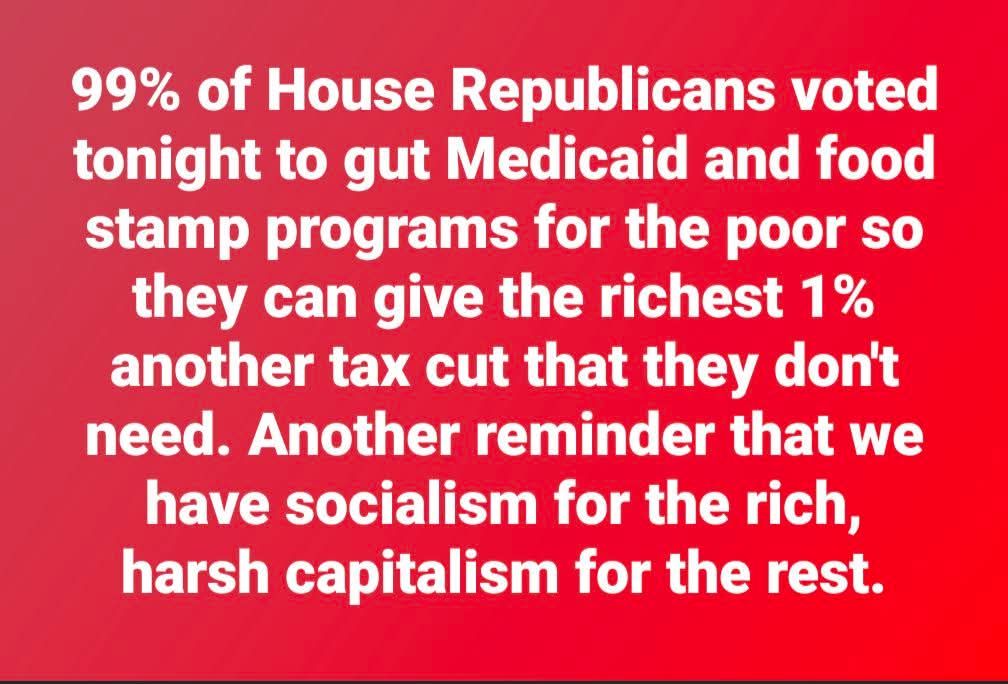
The New American Community is moving into the next phase of our County Party Outreach Project. I have called all of the state parties and had some great conversations and several active collaborations. Delaware and New Mexico are helping our outreach efforts and have agreed to work together. Several other states are reviewing information or have made a commitment to work together in the future. As a political unknown outside of my region though it has felt a little like cold call sales.

We also have received almost 150 survey responses from county party organizations. Reviewing the responses help with Messaging is the largest unmet need. We created our survey as good community organizers both to have feedback to inform our work and to identify collaboration opportunities.
This week I’ve contacted county party leaders who completed the survey for follow up conversations. I’ve begun providing technical assistance to some party organizations and also discussed what people are doing.
What I found inspiring was the three conversations I had all said the same thing. We are focusing on community outreach because we need to know who is out there in case we have to do a mass mobilization to fight for democracy. From rural South Carolina, to a small city in Missouri, to the New Mexico suburbs the answer was the same.

We have found our Message. Democracy and the rule of law are under assault and we need to take action with our neighbors right now. The pro-Democracy Alliance is forming at the grassroots level everywhere. There is new energy to fight back and defend and folks aren’t waiting for non-existent national leadership but are leading themselves. Finding like minded souls in organizations or online and taking action.
Democrats and Direct Action
I cut my teeth in political organizing around direct action with a long term focus on building a community of resistance. I found it far more energizing than electoral politics, more immediate, and far more fun.
Speaking truth to power and engaging in active non violence shaped who I was. I also engaged in influence campaigns that worked within the system. As a young field organizer in Utah I helped gin up significant opposition to an inadequate wilderness prevention Bill generating thousands of postcards and turning out hundreds of students at a critical public meeting.
That shifted the Utah delegation and the bill was defeated. The next year a bill was passed that includes an additional 1.2 acres of mostly Red Rock desert permanently protected as wilderness. I thought about that 1.2 million acres a lot and how we freed the weed by petition gathering, voter registration, organizing a GOtV and passing the California Compassionate Use Act.
My support of electoral politics further strengthened as a three term City Council Member in Columbia, Missouri I saw a laundry list of progressive accomplishments and good government wins all through campaigning for votes. As I completed The Practical Guide to Building a Better World, I formed a Political Action Committee to support my national level local organizing.
After the inauguration we all witnessed the unconstitutional and illegal invasion of government systems and employee relations by unaccountable billionaire Elon Musk and his high tech goons. A spontaneous movement on Reddit called 50501 for national protests at state capitals.
I was intrigued but unavailable. I hope as also a little shocked by the general reception by Democrats and other activists not wanting to take part because they didn’t know who was organizing it. Folks who shared information were encouraged not to participate because of a lack of permits and no identified organizers and folks speculates it was a setup.
So most of the folks I know stayed home. But not all. I heard reports from Michigan where the crowd was robust and inspiring and I saw news reports on many other protests.
In spite of being 50 states, 50 protests, 1 day a President’s Day protest was called by the same network. In Leavenworth the local Democrats put out a call and on a frigid day 40 or so concerned citizens came out with signs and flags and it was beautiful.
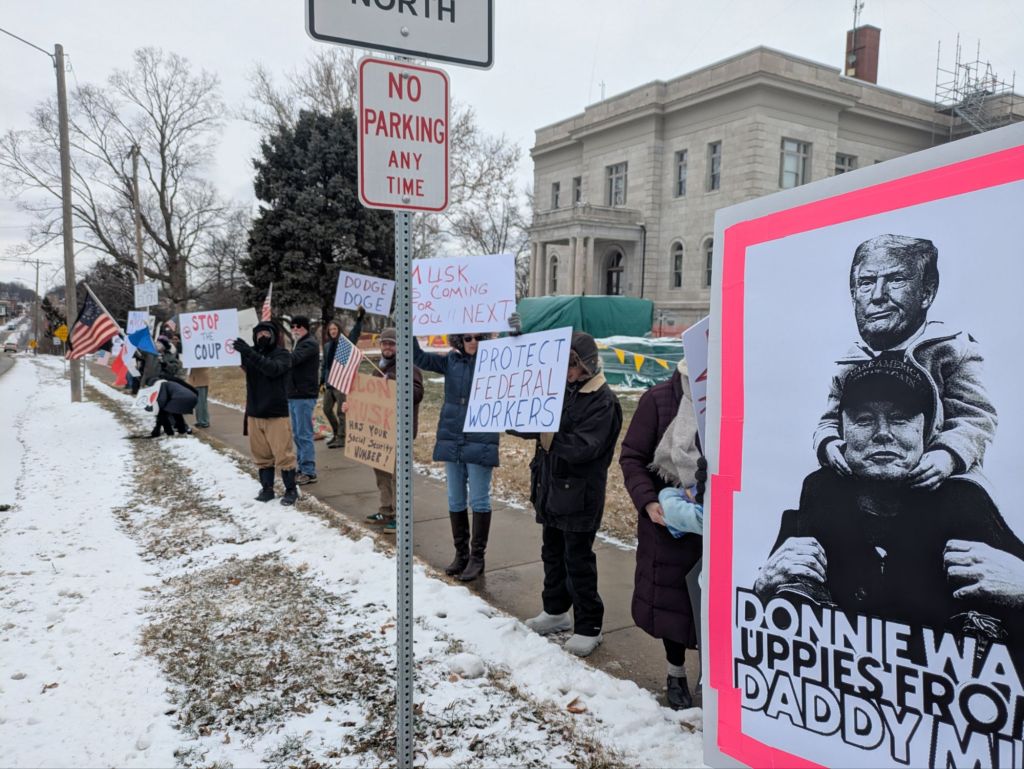
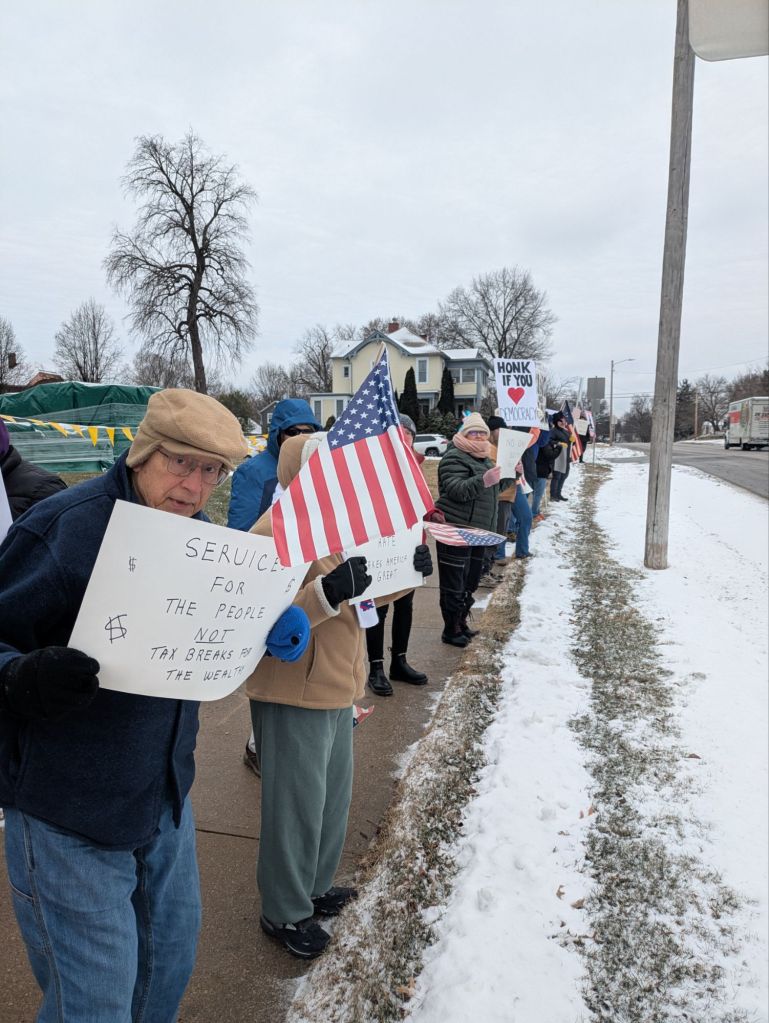
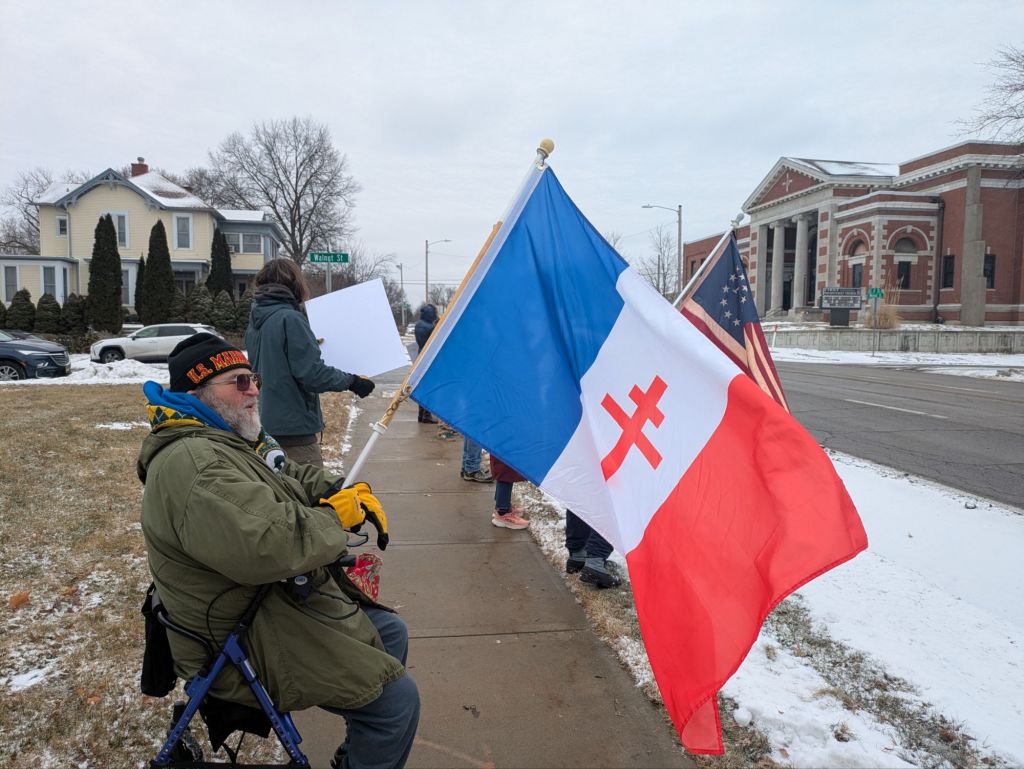
When I got home I enjoyed seeing protest photos from across the country. We think protests need leadership and organization, and both can be helpful to win concrete victories but they are not necessary. During the Vietnam protest era the largest protests happened after the national leadership splintered and went silent. The protests kept growing.
We live in an era of increased suspicion and less and less trust. The more that we can rebuild our ability to organize together on a common cause the more effective we are going to be. The New American Community is embracing and promoting decentralized grassroots movements and we encourage others to do likewise.
We have to be wise. There are agents of chaos and misinformation that drive divisive activities. There are risks to trusting strangers. There are also risks from not trusting others we do not know. The risks of being isolated and powerless and having our cherished institutions destroyed without an effective public outcry.
We need to be wise and structure for safety. Do your homework, withhold judgement, make sure if you go to an action you have an exit plan and support. But please don’t stay at home out of fear. The next big action is the February 28th economic blackout.
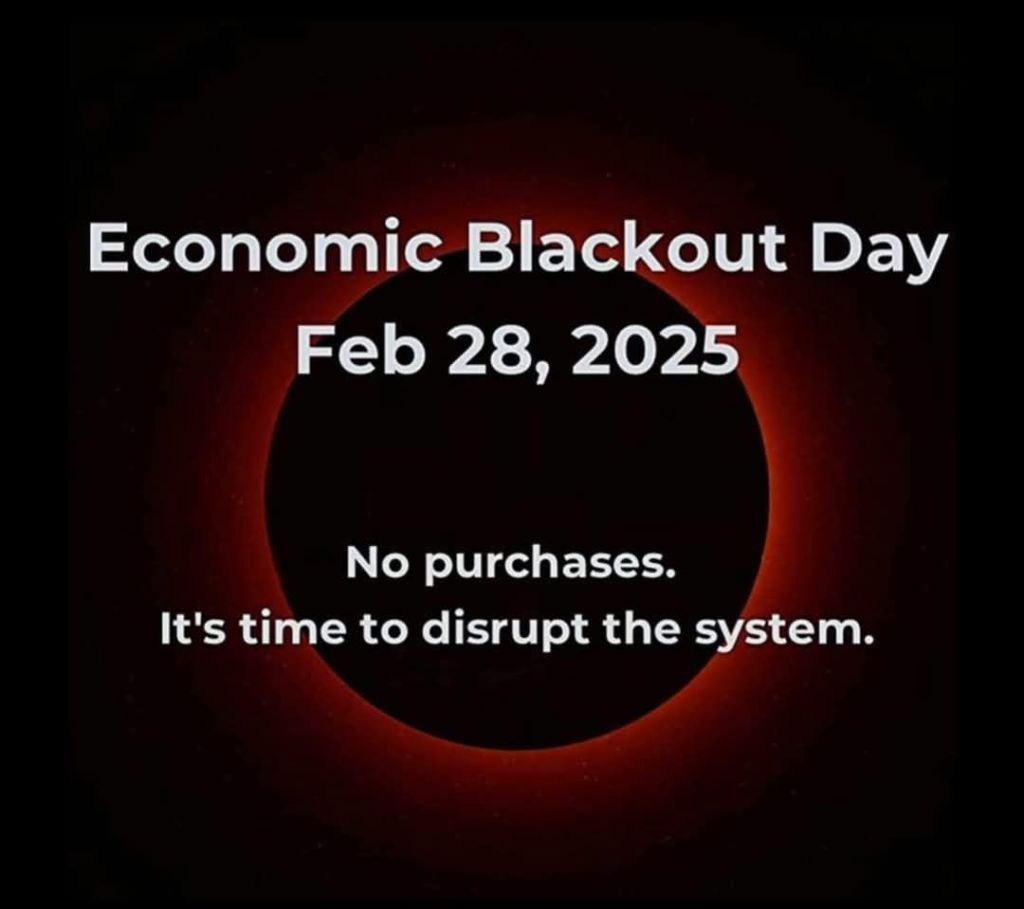
I don’t know who is planning it. I know it makes sense. I know I want to do it. I know it’s safe. Now more than ever we need a mass mobilization to protect our democracy and our way of life. When the call to action is just and proper and good I am acting, whether I know who made the call or not.
Resistance Strategy
– Adapted from The Practical Guide to Building a Better World, Bread and Roses Press, Spring 2025
With the election of Donald Trump and Democrats shut out of policy making nationally we see a shift in organizing activities. Once again people are focusing on “resistance” types of activities. As we consider the principal goals of protest activity, one of the most significant but least likely to be achieved is policy change.
Protesters want to stop projects, change laws, end war, fund programs, and save the world. There are many reasons why policy change is elusive. Obviously, the deck is stacked for the interests of those who have concentrated power. Money, resources, and entrenched power structures favor and support the status quo. There are also important factors regarding how activists play the hands they are dealt. Focusing on those areas is more fruitful as things that are under our control comprise our entire arena of action.
One of the great strategic community organizers was Saul Alinsky. He wrote the dated but still relevant Rules for Radicals and promoted activist training via The Midwest Academy and other community organizations. Before he was a bugaboo of the right and I was a field organizer for the Student Environmental Action Coalition, one of the critical tools we used was the Midwest Academy’s Strategy Chart. The strategy chart is a simple tool primarily designed to address a common activist problem: jumping to tactics without identifying a strategy that can result in policy change.
It’s a common error to see a problem and jump to tactics without really exploring what you would need to do to have a better chance of a positive outcome. Strategy charts are usually created in a group setting. It’s important not just to have a good plan but to involve as many stakeholders as you can in the planning. People are much more invested in activities in which they have a voice.
The first step is to identify what you want to accomplish. One of the reasons we may not have seen policy change commensurate with the level of protest activity during the most recent racial justice protests could be the lack of clear policy objectives. Movement leadership was dispersed and localized and, even within individual communities, there was a lack of a consensus on what we were trying to accomplish.
As the Roman philosopher Seneca said, “If you don’t know to where you are sailing, no wind is favorable.”
You can make long-term, intermediate and short-term goals if you are working from an existing organization, or immediate goals might be self-evident if you are rallying around a particular issue or objective.
When you are movement building, organizational considerations need to be taken into account. What kind and how many resources do you have to mobilize? What activities can move forward your agenda and build your organization? How does your organization/movement need to grow to achieve your mission? What skills, reputation, and collaborative partners can our actions enhance?
Being thoughtful to ensure actions build up, rather than deplete, your group/community is smart organizing. The two ways to ensure your activism will continue into the future are building strong and lasting organizations and building robust and resilient communities of change.
You must be specific in a strategy chart. How much money do we want to raise? How many new participants or how many new leaders will there be? Lastly, you want to identify any internal issues that will need to be addressed to take on the issue you have identified.
The next step is identifying potential allies and stakeholders who you can activate to work with you. Who shares similar values? Who has worked on this issue in the past? Who is impacted by the issue you are trying to address? The more diverse the stakeholders you can identify, the bigger your potential change movement becomes.
After identifying what you want to accomplish, you determine who has the power to make that change. If you want to shut down a nuclear power plant that is an asset of an investor-owned utility, you might look at the Board of Directors or the Nuclear Regulatory Commission. On a smaller scale, if you wanted speed bumps on your busy road, your local Mayor and City Council or the City Manager might be able to give you what you want. It might take a little research or fact finding to get this step right.
Once you know who your target is, you identify what leverage you have over your target. In general, businesses and corporations respond to money and elected officials respond to votes. In our antinuclear power work, our movement sought to impact the Board of Directors through shareholder amendments and protest activity that drove up security costs and soured public perception of the company.
We did a “fold, mutilate, spindle” campaign when customers paid their bills. By taping pennies to their electric bill or stapling the check we forced hand processing of bill paying instead of the automatic bill processing that is the most cost effective. This tactic served to drive up costs, as boycotting a utility is nearly impossible for most of us.
We largely sought to impact the Nuclear Regulatory Commission through public comment via public engagement and feedback processes. The first demand of protest groups is to get a meeting with leadership to facilitate negotiations and lend credibility to your organization. However, even with our dynamic tactics and public support, we were unable to get over that hurdle.
On a much smaller scale—the quest for speed bumps for example—you may learn that speed bumps are decided on by the Public Works Department and approved by the City Manager. Having no direct influence over the City Manager or Public Works, your campaign might focus on your City Council Members or the Mayor, who hires and fires the City Manager. Such indirect targeting is common, as many decisions are made by appointed, rather than elected, officials. After you know your target, you can assess whether you want to address them directly or focus on someone who has power and influence over that person.
Now we are ready to go to tactics. Continuing with the speed bump example, if you did some research, you might find an already established process in place. In Columbia, Missouri this process involves collecting petition signatures to show neighborhood support. After that, the city measures traffic counts and driver speed, and with that info and crash statistics, it generates a score. Then, the top three or so projects get built each year.
If your project was lower on the list but had a good case to make, you could organize protests and rallies targeting City Council Members or Candidates, especially if there is an upcoming election. You could write letters to the editor, show up at Council meetings for public comment, make social media posts, and get signs made. There is an art to being the squeakiest wheel, which tends to get more than its fair share of the oil. Focused strategic squeaking is even more likely to be successful.
Another reason policy change can be elusive for activists is that they’re coming to the issue too late. Frequently, people who oppose an issue don’t learn about the issue until the major decision points have passed. Trying to bring about change at the 11th hour is much harder than getting in early and engaging in public input processes. Also, activists sometimes bite off issues in which a policy win would require more participants than they can mobilize.
With good strategy your resistance activities can be more than a feel-good experience of speaking truth to power. Instead you can engage in resistance activities with movement and organizational building in mind to build relationships and accumulate power and influence to make effective policy change a reality.
 Multiconstruct
Recent Comments